November 17, 2026
Seasonal temperature swings place intense demands on heating and cooling equipment throughout the entire year. Without scheduled inspections, minor mechanical defects often develop into sudden system breakdowns during extreme weather. Homeowners who prioritize seasonal checkups protect their equipment, maintain consistent indoor comfort, and safeguard their household budgets. Investing in routine service is the most reliable approach to keep heating and cooling units operating safely and efficiently.
Protecting Critical Equipment From Premature Wear
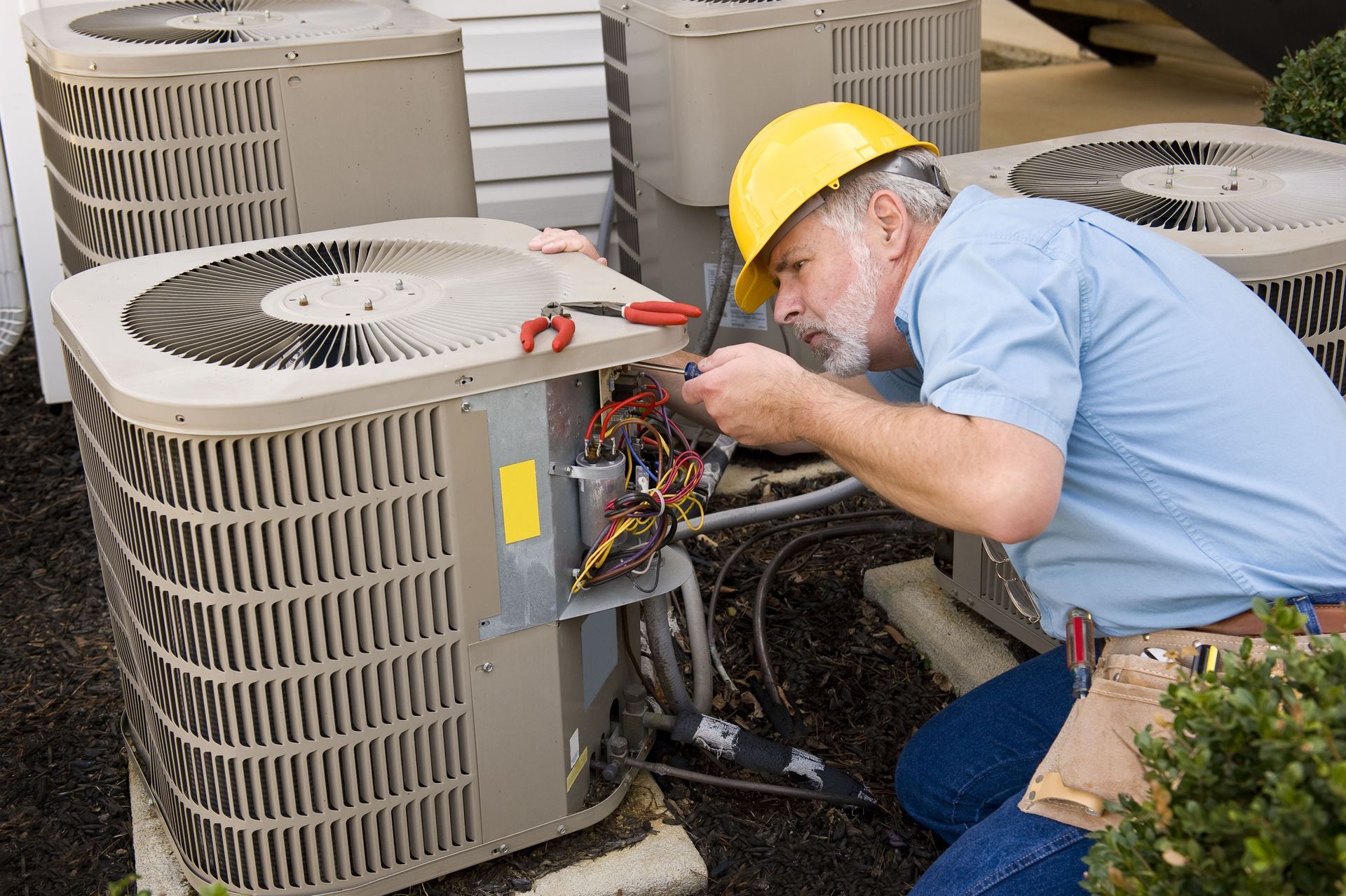
Heating and cooling systems rely on several moving components working in harmony to regulate indoor temperatures. Over months of steady operation, motors lose lubrication, electrical connections loosen, and internal friction steadily increases. When a system runs under heightened mechanical resistance, parts experience excessive wear that shortens their operational lifespan. During an annual tune-up, an experienced technician carefully lubricates bearings, tightens wiring terminals, and tests overall motor performance. These targeted adjustments reduce operational strain on the entire unit, eliminating the friction that triggers sudden component failures during peak seasonal use.
Regular service also addresses the buildup of dust and airborne debris on delicate machinery. When dirt settles on internal parts, moving assemblies must work much harder to achieve normal heating or cooling cycles. This unnecessary labor accelerates the degradation of blower wheels, fan blades, and internal wiring. Professional cleanings restore these parts to pristine condition, allowing the machinery to function with minimum effort. By managing mechanical wear proactively, property owners effectively prevent major breakdowns that lead to costly HVAC repairs.
Preventing Sudden System Failures Through Early Detection
Major mechanical emergencies rarely occur without prior warning signs, though most developing defects remain hidden from untrained eyes. During a standard multi-point inspection, a licensed technician evaluates key operational benchmarks across every component. Technicians examine heat exchangers for hairline fractures, test capacitors for proper electrical storage, and evaluate relays for signs of burning. Identifying a failing capacitor or a fraying belt during a scheduled visit allows for an affordable, convenient replacement. Left unaddressed, that same failing part will eventually shut down the entire heating and cooling unit during the coldest winter night or hottest summer afternoon.
System diagnostic checks also uncover hidden safety hazards before they endanger household members. Faulty electrical connections can generate electrical shorts, while cracked heating assemblies can release carbon monoxide into living areas. According to Workyard, while nearly one in three homeowners express concern over the condition of their HVAC system, only 30% routinely schedule preventative maintenance. This gap in preventative care leaves many households vulnerable to unexpected breakdowns. Early professional detection resolves minor operational flaws before they produce disruptive failures and require unplanned HVAC repairs.
Maintaining Proper Airflow Across the Whole Home
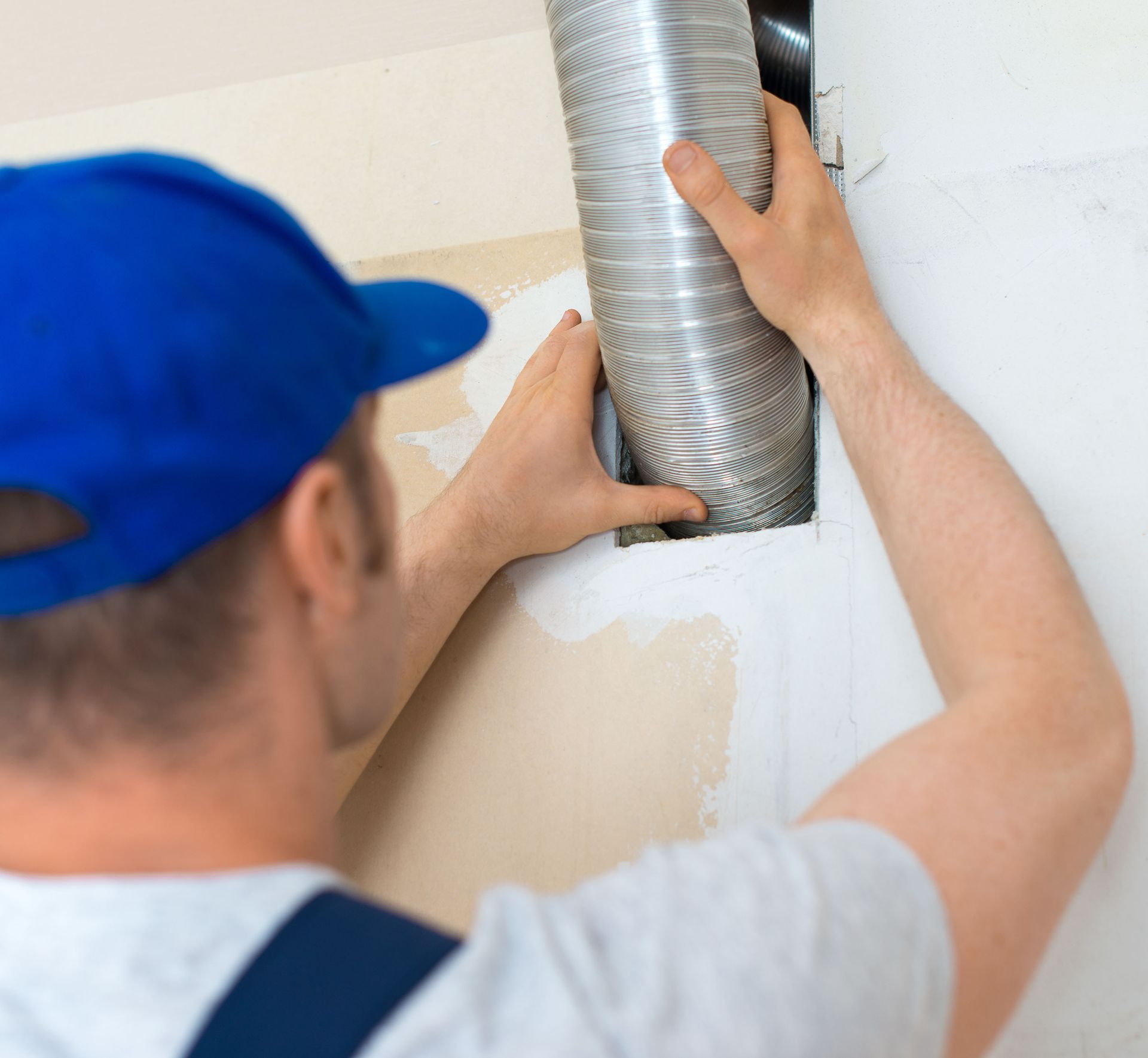
Restricted airflow is among the leading causes of heating and cooling breakdowns. When air filters, duct passages, or evaporator coils become clogged with household debris, static pressure increases throughout the entire ventilation setup. Restricted airflow forces the system to run longer cycles to reach the temperature set on the thermostat. This sustained exertion causes air handler motors to overheat and safety switches to trip unexpectedly. Routine service visits include thorough filter checks, static pressure tests, and duct inspections to confirm air moves freely through every register.
Clean indoor coils and unblocked vents also keep system cycling balanced and consistent. When airflow drops below required levels, cooling coils can freeze into solid blocks of ice, which stops heat exchange and risks liquid refrigerant entering the compressor. In heating modes, inadequate airflow causes the furnace to overheat, triggering automatic high-limit shutoff switches. Over time, repeated short-cycling damages the heat exchanger and control boards. Technicians balance airflow across the ductwork, verify proper blower speeds, and clean critical coil surfaces. Restoring balanced air distribution protects internal components from thermal stress and avoids emergency HVAC repairs.
Improving Energy Efficiency and Lowering Monthly Bills
An unmaintained heating and cooling unit loses a measurable percentage of its operating efficiency each year it runs without service. Accumulated dust on blower assemblies and dirty heat exchangers force equipment to consume extra electricity or natural gas to provide normal comfort. When parts struggle against friction, electrical draw climbs, causing utility bills to rise steadily month after month. Routine maintenance cleans critical heat transfer surfaces, calibrates thermostats, and optimizes motor performance to restore original factory efficiency ratings.
Optimizing energy consumption yields several clear advantages for household finances:
- Lower monthly electric and gas utility expenses throughout peak seasons
- Fewer operational hours required to reach desired thermostat settings
- Decreased overall carbon emissions from the household
- Reduced mechanical stress across electrical circuits and switches
When a system operates efficiently, its overall run time decreases significantly. Shorter, effective cycles mean internal components experience fewer hours of heat, vibration, and mechanical wear each season. This reduced run time prevents thermal overload in electrical components, minimizes motor fatigue, and keeps utility expenses predictable. Enhancing energy efficiency through annual checkups delivers dependable climate control while helping households steer clear of urgent HVAC repairs.
Preserving Manufacturer Warranties and Extending Lifespan
Modern heating and cooling equipment typically comes with manufacturer warranties that protect homeowners against defective parts for five to 10 years. However, almost all manufacturers require proof of regular professional service to honor warranty claims. If a compressor or heat exchanger fails prematurely, the manufacturer can deny coverage if the owner cannot show annual service records. Scheduling regular tune-ups creates an official paper trail of maintenance that preserves these valuable protections. A valid warranty saves homeowners thousands of dollars if a major factory part ever fails.
Beyond preserving warranty protections, regular care extends the total functional life of the heating and cooling installation. An average furnace or heat pump is designed to last between 15 and 20 years, but neglected equipment often fails in fewer than 10 years. Replacing an entire system prematurely represents a substantial, unplanned capital expense for any family. Routine cleaning, fluid level verification, and mechanical adjustments allow components to reach their maximum design life. Protecting your initial investment through diligent upkeep delivers years of dependable climate control and minimizes the frequency of HVAC repairs.
Selecting Professional Service Over Risky Alternatives
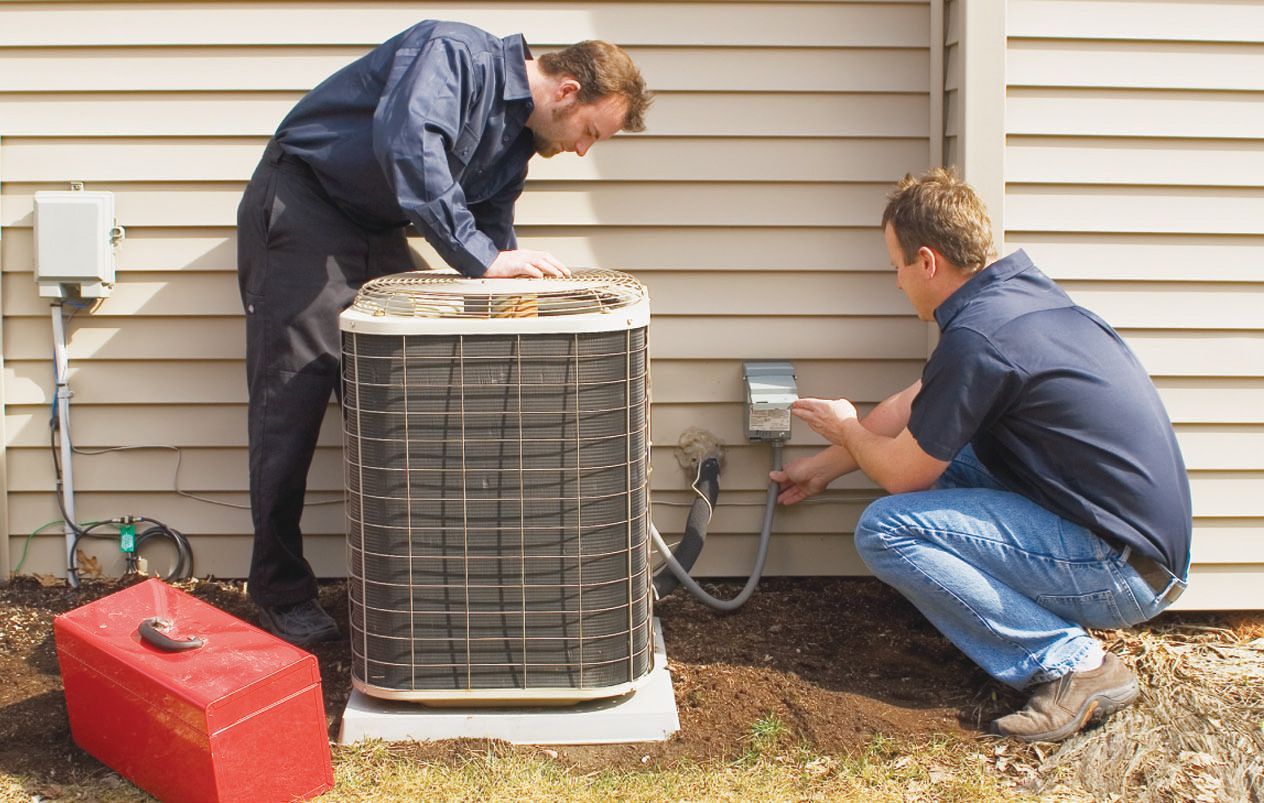
Heating and air conditioning systems are intricate networks involving high-voltage electrical circuits, pressurized refrigerants, and combustible fuel lines. Handling these elements without professional training poses serious risks of electrical shock, refrigerant poisoning, and structural fire. Furthermore, improper adjustments or utilizing the wrong tools can damage delicate circuit boards and crack expensive components. Professional technicians possess the specific instruments, diagnostic meters, and technical training needed to evaluate equipment safely and accurately.
When licensed technicians conduct an annual service check, they follow precise procedural checklists:
- Testing all safety controls, high-limit switches, and emergency shutoff valves
- Measuring voltage and amperage on all electrical motors and compressors
- Inspecting flue pipes, combustion chambers, and venting paths for structural integrity
- Checking refrigerant pressure levels and scanning lines for micro-leaks
- Calibrating the thermostat to confirm proper cycle timing and temperature accuracy
Entrusting equipment care to certified professionals gives property owners peace of mind that their home comfort setup operates within strict safety parameters. Experienced technicians detect microscopic flaws that untrained individuals overlook, resolving hidden risks before they compromise household safety. Relying on professional maintenance protects household members from danger and avoids the chaos of sudden system outages.
Avoiding Costly Emergency Service Fees
When an HVAC system fails during severe weather, finding an available technician on short notice can prove challenging. Service providers experience high demand during heat waves and winter storms, often resulting in extended wait times for appointments. In addition to scheduling delays, emergency service calls frequently include premium after-hours labor rates, diagnostic travel fees, and expedited parts shipping charges. These emergency fees quickly inflate an already expensive repair bill, creating unexpected financial stress for homeowners.
Investing in regular seasonal appointments allows homeowners to schedule visits at their convenience during standard business hours. Planned maintenance visits are predictable, budget-friendly expenses that prevent sudden, inflated service bills. By addressing worn contactors, clogged condensate lines, and weak capacitors during scheduled inspections, property owners avoid midnight breakdowns and costly overtime rates. Taking a proactive approach to equipment care ensures your heating and cooling system operates reliably through every season. To schedule your next seasonal tune-up and protect your home comfort, contact the professional team at Prime Heating and Cooling LLC.