November 16, 2026
Indoor comfort depends on more than the temperature displayed on a thermostat. Outdoor conditions change throughout the year, and indoor spaces must respond to heat, humidity, airflow, and the needs of the people using them. Seasonal changes in daylight and household routines can make these conditions difficult to predict. A home that feels comfortable on a mild afternoon may become stuffy during a warm spell or unevenly heated when cooler weather arrives.
Air conditioning plays an important role in managing these changes. Although people often associate it with summer, cooling equipment works as part of a broader indoor climate control strategy that can support comfort, air quality, and efficient operation in multiple seasons. Understanding how equipment, maintenance, and household habits work together helps homeowners make informed decisions about their indoor environment.
Maintaining Comfortable Temperatures Across Seasons
Reliable temperature control starts with recognizing that indoor conditions rarely remain constant. Sun exposure, insulation, cooking, electronics, and the number of people in a room can all influence how warm a home feels. During spring and fall, outdoor temperatures may shift between morning and afternoon, creating a need for flexible settings rather than a fixed seasonal routine.
Air conditioning removes heat from indoor air and transfers it outside, helping maintain an appropriate temperature when outdoor conditions rise. A properly sized system can respond to changing cooling demands without the excessive cycling that may occur when equipment is poorly matched to the home. However, air conditioning alone does not provide heating unless the equipment is a heat pump with that capability.
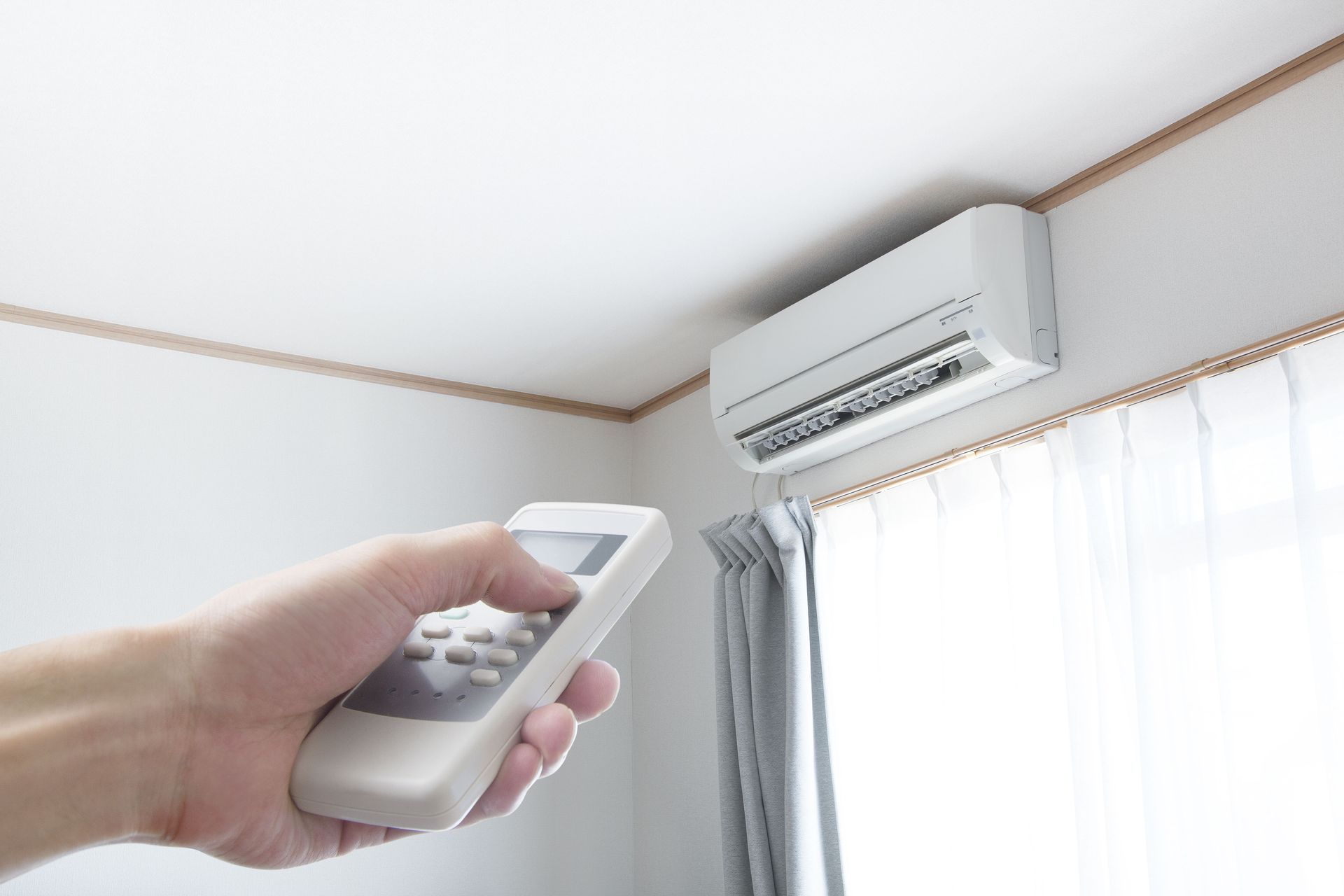
Homeowners can support consistent comfort by using programmable thermostat schedules, keeping supply vents unobstructed, and addressing rooms that become too warm. Combining these practices with suitable heating equipment allows the household to respond more effectively as seasons change.
Managing Indoor Humidity for Greater Comfort
Temperature is only one part of how people experience a room. Humidity also affects comfort when warm air carries enough moisture to make indoor spaces feel sticky. High humidity may contribute to condensation and create conditions that encourage mold growth, while excessively dry air during colder months can cause its own discomfort. Maintaining a reasonable humidity level is therefore a year-round consideration, not just a summer concern.
As air conditioning cools indoor air, moisture can condense on the system's cooling coil and drain away. This process helps reduce humidity during periods when the equipment runs long enough to remove moisture effectively. Short operating cycles, restricted airflow, or a system that is oversized may limit that benefit.
Homeowners can use a hygrometer to monitor indoor humidity rather than relying solely on how a room feels. Bathroom exhaust fans, kitchen ventilation, and prompt attention to moisture leaks can also help manage excess humidity. When conditions remain uncomfortable despite normal cooling operation, an HVAC professional can assess whether adjustments or separate humidity-control equipment may be appropriate.
Improving Airflow and Indoor Air Quality
Even temperatures can be difficult to maintain when conditioned air cannot move freely through the home. Blocked supply registers, closed interior doors, and poorly designed ductwork may leave some spaces warmer than others. In homes with forced-air equipment, return pathways are equally important because air must circulate back to the system for treatment. Furniture placement and accumulated dust can further complicate circulation in occupied spaces.
Air conditioning systems typically move indoor air through a filter that captures some airborne particles. The filter's effectiveness depends on its rating, condition, and compatibility with the equipment. However, filtration does not replace fresh-air ventilation or eliminate every indoor pollutant. Cooking emissions, cleaning products, and outdoor contaminants may require additional steps to manage.
Homeowners should follow manufacturer guidance when selecting and replacing filters. They can also keep registers clear, inspect accessible ducts for damage, and use appropriate exhaust ventilation where moisture or pollutants are generated. If airflow remains inconsistent, a technician can check blower operation, duct restrictions, and other factors that may reduce comfort in specific rooms.
Balancing Energy Efficiency With Everyday Comfort
Maintaining a pleasant indoor environment does not require keeping every room at the same temperature around the clock. Cooling demand changes with occupancy, sunlight, outdoor conditions, and household schedules. Thoughtful adjustments can reduce unnecessary system operation without creating significant discomfort.
A thermostat schedule is useful when it reflects when people are home and what temperatures they find comfortable. Window coverings can reduce solar heat gain on bright afternoons, while sealing air leaks and improving insulation can help keep cooled air inside. These measures reduce the burden placed on air conditioning during warmer periods.
Equipment efficiency also matters, but buying the highest-rated model is not automatically the right solution for every home. System sizing, duct condition, installation quality, and local climate affect actual performance. A professional assessment can identify whether existing equipment needs repairs, whether building improvements would have a greater impact, or whether replacement is worth considering. Evaluating these factors together supports more practical long-term decisions.
Preventing Breakdowns Through Routine Maintenance
Indoor climate control is harder to manage when equipment operates unpredictably. A clogged filter can restrict airflow, dirty coils can interfere with heat transfer, and drainage problems can allow moisture to collect where it should not. Small issues may gradually reduce performance before they lead to a noticeable failure. Unusual sounds, reduced airflow, and unexpected energy use deserve attention before extreme weather arrives.
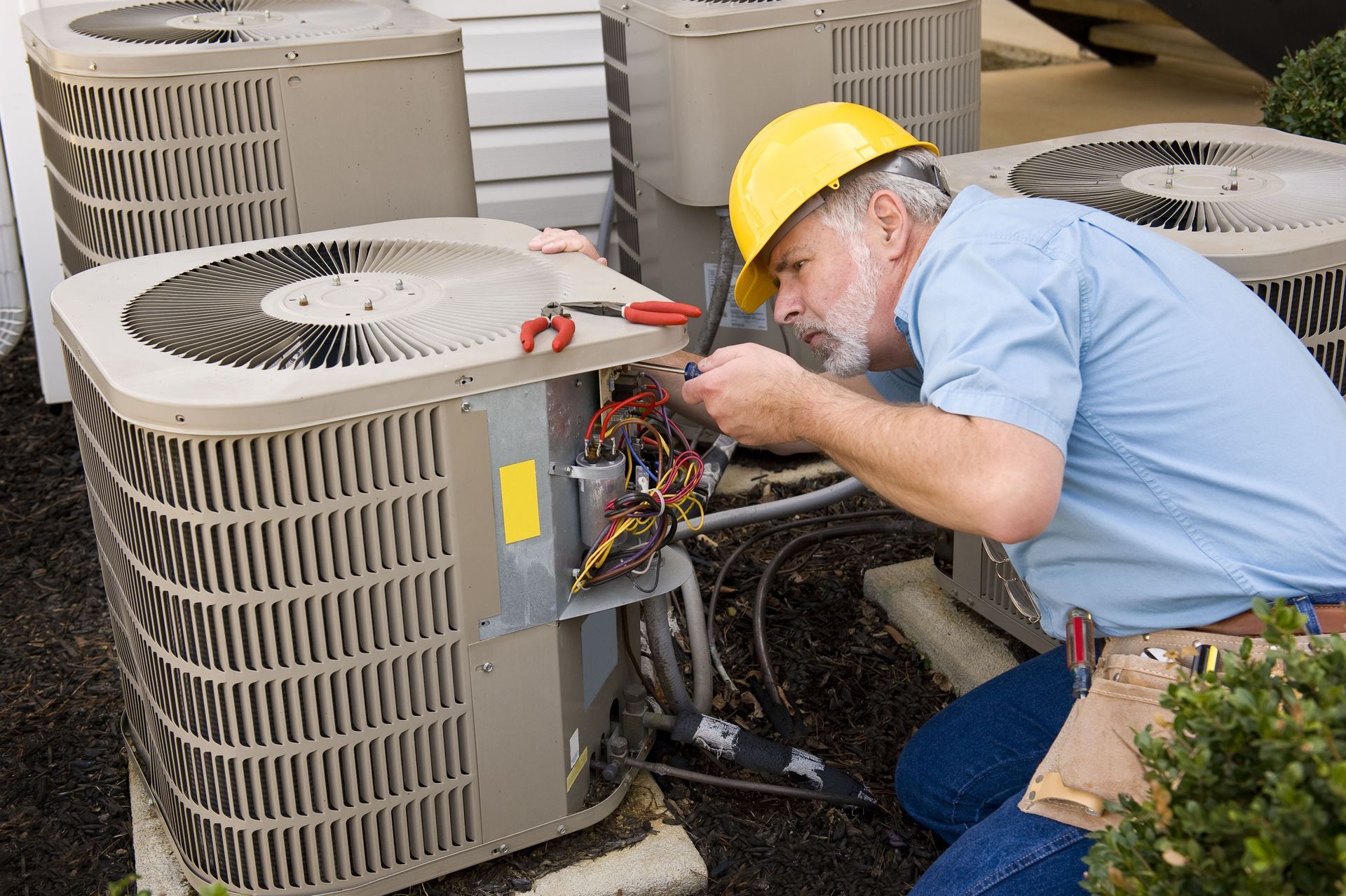
Regular air conditioning maintenance helps technicians identify these concerns while there is still time to address them. According to Technavio's HVAC Services Market analysis, regular air conditioning maintenance can reduce system breakdowns by 75%, helping prevent the 43% of summer failures linked to dirty filters and refrigerant leaks. The figures reinforce the importance of preventive attention, although individual outcomes vary with equipment condition and usage.
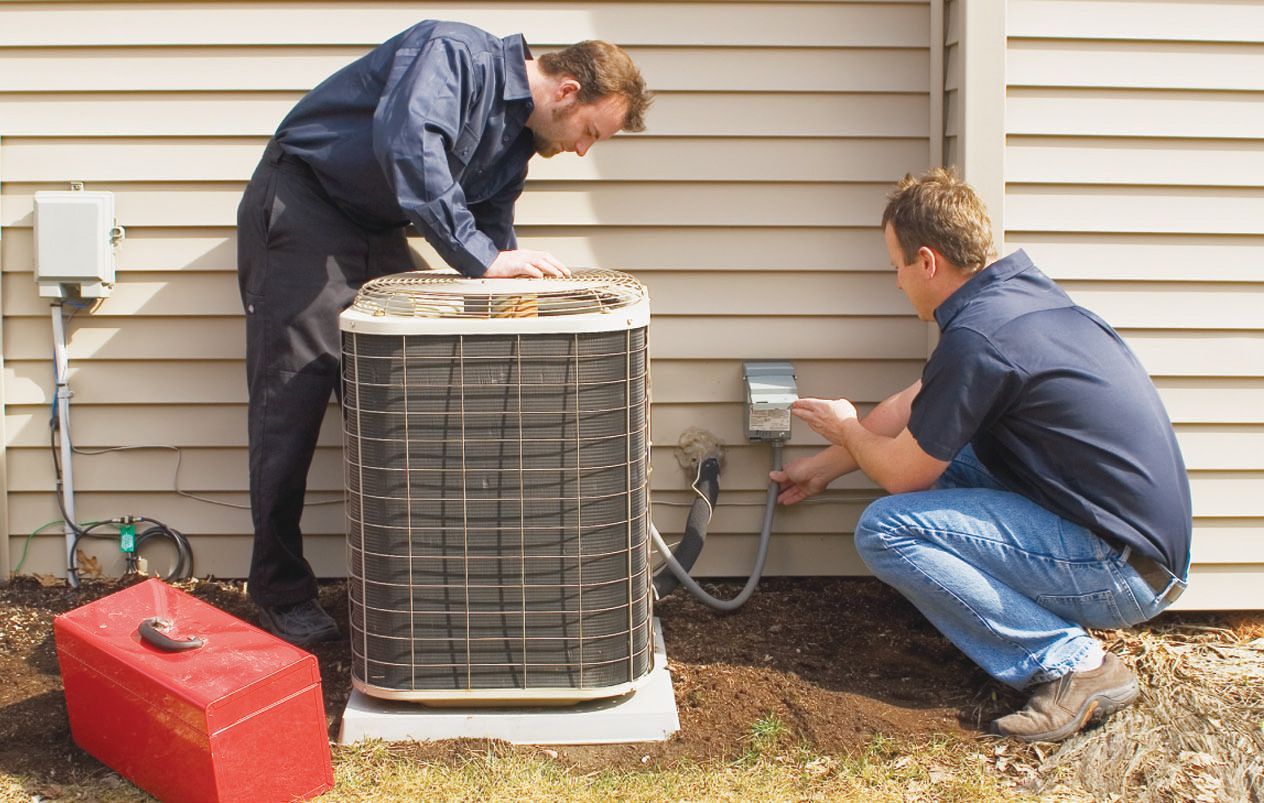
Homeowners can handle basic tasks such as checking filters and keeping outdoor units free of leaves and other obstructions, following manufacturer guidance. Refrigerant issues, electrical components, and more complex diagnostics should be handled by qualified professionals. Scheduling inspections before periods of heavy use helps make seasonal transitions less disruptive and supports dependable operation.
Preparing Equipment for Changing Household Needs
Climate control requirements can evolve even when a home's layout stays the same. Working from home, adding family members, or converting a spare room into a frequently used space can change how and when you need cooling. Renovations and improvements to insulation may also affect the load that existing equipment must handle.
Before changing a system, homeowners should consider patterns of discomfort and their causes. One persistently warm bedroom may point to airflow or insulation issues rather than inadequate cooling capacity for the entire house. Similarly, an aging thermostat or poorly sealed ductwork can contribute to inconsistent performance that does not require immediate equipment replacement.
When air conditioning needs become more complex, an HVAC assessment can help compare options such as repairs, zoning, updated controls, or new equipment. Planning is especially valuable before major renovations or seasonal temperature extremes. Keeping records of service visits and recurring comfort issues makes future conversations with technicians more productive. A measured approach can support comfort while preventing unnecessary spending and disruption.
Year-round comfort comes from managing temperature, moisture, airflow, and equipment condition as a connected system. With thoughtful daily habits and professional maintenance, homeowners can improve how their homes respond to changing weather and household demands. Consistent attention helps avoid last-minute decisions when comfort becomes urgent. Call Prime Heating and Cooling LLC today to schedule your heating or cooling service.