November 21, 2026
Inconsistent room temperatures, weak vent output, and rising utility bills often point to hidden blockages inside your home's air distribution network. Even the highest-rated heating and cooling equipment struggles to maintain indoor comfort when conditioned air cannot circulate freely through every supply and return line.
Scheduling a comprehensive HVAC service allows trained technicians to uncover concealed obstructions, balance static pressure, and restore smooth air delivery throughout your living spaces. Understanding how experts diagnose and clear these hidden restrictions helps homeowners protect equipment longevity while keeping indoor environments consistently comfortable.
Diagnosing Static Pressure Imbalances
Hidden airflow issues frequently begin with abnormal static pressure inside the ductwork trunk lines and branch runs. Technicians use specialized manometers and airflow capture hoods to measure resistance levels across the blower motor, evaporator coil, and register grilles.
Pinpointing exact pressure drops reveals whether the system suffers from undersized return ducts, crushed flex lines, or closed internal dampers. Once specialists map out these pressure readings, they can target the true root cause instead of relying on guesswork or temporary adjustments.
Clearing Accumulated Debris and Buildup
Over years of continuous operation, dust, pet dander, lint, and construction debris settle deep inside horizontal duct runs and turn vanes. Thick layers of grime narrow the interior diameter of the passages and create rough surfaces that disrupt smooth laminar airflow.
During a thorough HVAC service, technicians utilize high-powered negative air machines and rotary agitation brushes to dislodge and extract stubborn buildup. Removing this hidden debris immediately opens up restricted pathways, reduces strain on the blower assembly, and prevents particulate matter from recirculating into your bedrooms and living areas.
Repairing Crushed or Kinked Flexible Ducts
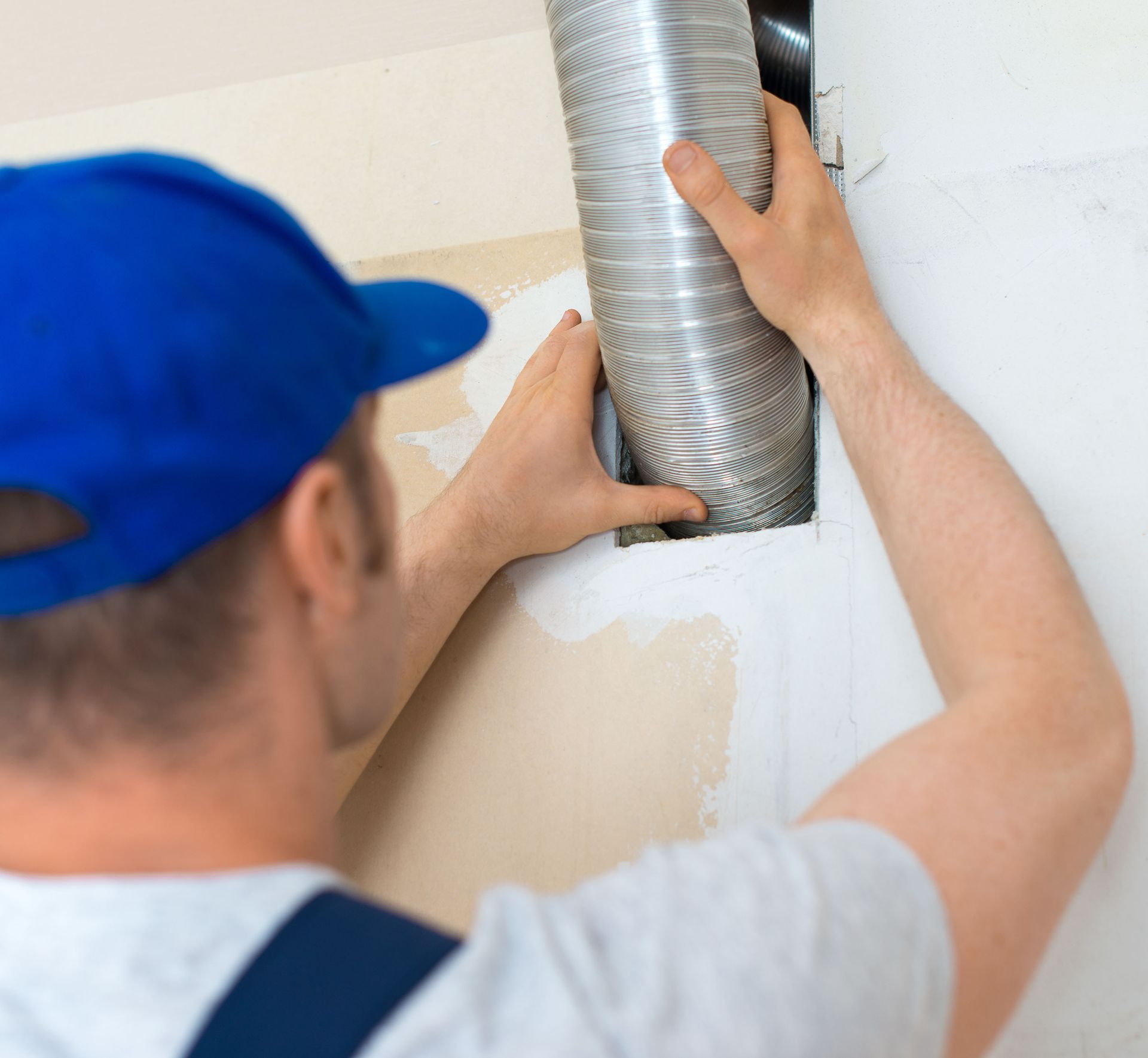
Flexible ductwork routed through tight attic spaces, crawlspaces, or wall cavities is highly vulnerable to physical compression and sharp bends. Sagging support straps, stored attic boxes, or careless foot traffic can easily pinch soft duct walls and choke off airflow to distant rooms.
Skilled technicians inspect every accessible run to straighten sharp kinks, replace flattened sections, and install wide, properly spaced hanging straps. Restoring full cylindrical geometry ensures conditioned air travels effortlessly from the plenum to each ceiling or floor register without losing velocity.
Sealing Leaky Joints and Disconnected Plenums
Unsealed sheet metal seams, loose collar connections, and deteriorated duct tape allow pressurized air to escape directly into unconditioned attics or basements. When conditioned air leaks out before reaching living spaces, rooms feel stuffy while the heating and cooling unit runs constantly to compensate.
Comprehensive HVAC service addresses these hidden losses by applying durable mastic sealant and reinforced foil tape across every joint, boot, and plenum connection. Properly sealed ductwork keeps conditioned air locked inside the distribution network, improving room-to-room temperature consistency and preventing dusty attic air from being pulled into return leaks.
Balancing Dampers and Register Airflow
Many residential duct systems feature manual balancing dampers installed near branch takeoffs to regulate how much air reaches different zones of the home. Over time, vibrations or accidental bumps can shift these internal blades into partially closed positions that starve specific rooms of heating or cooling.
Technicians locate hidden dampers, calibrate their positions, and verify cubic feet per minute output at every supply grille across the property. Fine-tuning damper angles ensures upper stories, sunlit living rooms, and shaded bedrooms all receive proportional airflow tailored to their thermal demands.
Optimizing Return Air Pathways
Supply vents cannot deliver conditioned air effectively unless return ducts pull an equal volume of stale indoor air back to the air handler. Homes with too few return grilles, blocked return chases, or tightly sealed interior doors often suffer from severe negative pressure bottlenecks.
Addressing airflow efficiency is critical for overall system performance and household energy savings. According to ENERGY STAR, issues with airflow can lower the efficiency of an HVAC system by as much as 15%.
During an expert HVAC service, specialists evaluate return grille sizing, clear obstructed return cavities, and recommend transfer grilles or jumper ducts where closed doors trap air. Expanding restrictive return pathways lets the blower motor breathe easily, quieting operational noise and stabilizing indoor humidity levels.
Inspecting Evaporator Coils and Blower Wheels
Airflow restrictions do not always originate inside the sheet metal pipes; dirty internal components inside the air handler frequently act as major choke points. When dust bypasses a clogged air filter, it coats the damp evaporator coil fins and packs onto the curved blades of the blower wheel.
A coated blower wheel loses its aerodynamic scoop shape, dramatically slashing the volume of air it can push into the supply plenum. Technicians carefully clean fouled coils, wash blower assemblies, and verify proper filter fitment so air flows freely from the very start of the distribution cycle.
Upgrading Undersized Ductwork Sections
Older homes frequently feature legacy ductwork designed for smaller heating units that cannot handle the higher airflow demands of modern air conditioners and heat pumps. Narrow trunk lines and restrictive boot transitions force high-velocity air through tight openings, generating whistling noises and excessive backpressure.
Investing in targeted HVAC service upgrades allows professionals to replace bottlenecked trunk sections, widen restrictive transitions, and install properly sized supply runs. Matching duct capacity to equipment airflow specifications eliminates noisy turbulence and helps your heating and cooling system operate smoothly year-round.
Verifying Filter Fitment and MERV Ratings
Installing an overly restrictive high-efficiency filter without checking system static pressure often creates an immediate airflow bottleneck at the return grille. Similarly, loose-fitting filters allow unfiltered dust to slip past edges and accumulate on sensitive internal components and duct walls.
Professionals help homeowners select the ideal filter thickness and filtration rating that captures airborne allergens without starving the blower motor of air. Pairing proper filtration with routine HVAC service inspections keeps both indoor air quality and duct airflow operating at peak performance.
Resolving Collapsed Internal Duct Liners
Insulated sheet metal ducts and aging ductboard plenums frequently rely on internal fiberglass liners to absorb mechanical noise and prevent thermal loss. Over extended periods of moisture exposure and constant air friction, adhesive bonds weaken and allow sections of the internal lining to peel loose into the airstream.
These detached insulation flaps act like hidden check valves that swing shut whenever the blower motor engages, choking off supply volume without leaving any exterior clues. Technicians inspect interior duct surfaces using fiber-optic cameras, secure or replace delaminated insulation, and restore smooth internal walls so conditioned air travels unimpeded.
Eliminating Sharp Bends and Restrictive Fittings
Improperly designed duct layouts often rely on abrupt right-angle turns, unlined mitered elbows, and cramped plenum takeoffs that create severe air turbulence. Whenever fast-moving air collides with flat metal walls or sudden directional changes, friction spikes and overall system velocity drops dramatically before reaching distant rooms.
Skilled specialists redesign bottlenecked junctions by installing sweeping radius elbows, aerodynamic turning vanes, and conical takeoff collars that guide air smoothly around corners.
Testing Whole-Home Comfort After Repairs
Once technicians clear blockages, seal leaks, and adjust dampers, they perform a final diagnostic walkthrough to confirm measurable improvements across the entire property. Rechecking static pressure, measuring temperature splits across the coil, and verifying register velocities prove that hidden restrictions have been eliminated.
Scheduling regular HVAC service prevents minor duct obstructions from quietly draining system performance and shortening equipment lifespan. Consistent maintenance ensures every room enjoys steady temperatures, quieter operation, and reliable comfort through changing weather conditions.
Do not let concealed ductwork restrictions compromise your indoor comfort or overwork your heating and cooling equipment. Contact Prime Heating and Cooling LLC today to schedule your comprehensive
HVAC service and restore peak airflow throughout your home.